

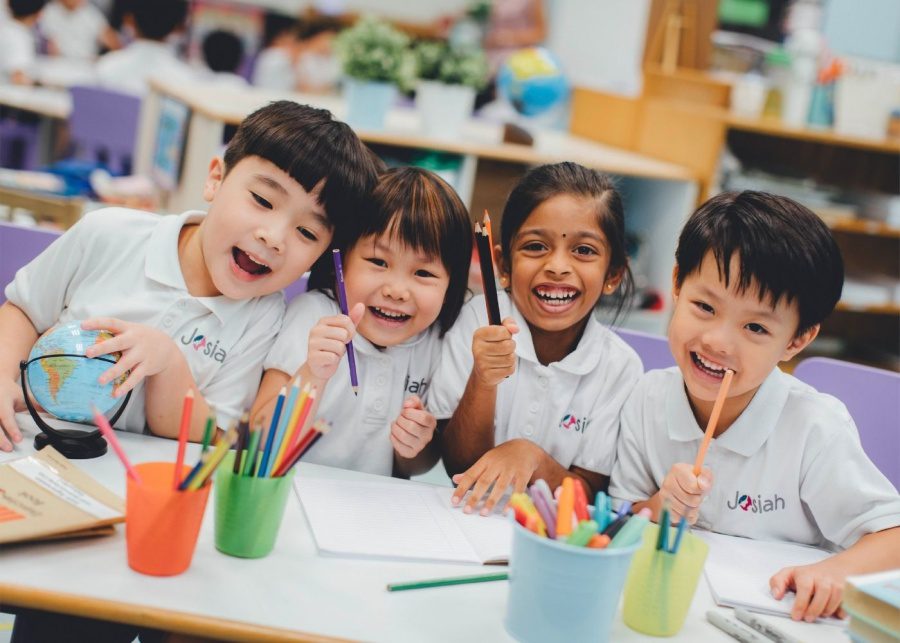
Finding a good preschool Singapore parents can trust requires careful consideration of several key factors. Parents want to know their little ones will be safe, happy, and learning in the best possible environment. Three key factors separate a good preschool Singapore offers from average programmes: teacher-to-child ratios, daily routines, and physical learning spaces.
What Makes a Quality Early Learning Environment
A good preschool Singapore families choose goes beyond colourful walls and toy-filled rooms. The best programmes focus on creating meaningful connections between teachers and children. These relationships form the foundation for all future learning and development.
Research shows that children thrive when they feel secure and supported by caring adults. A good preschool Singapore operates with qualified teachers who understand child development. They also provide ongoing training to keep staff updated on best practices.
The Importance of Teacher-to-Child Ratios
Low teacher-to-child ratios are essential for quality early childhood education. When teachers have fewer children to supervise, they can give each child more individual attention. This personalised approach helps children develop confidence and essential skills.
Small group sizes allow teachers to observe each child’s unique needs and interests. They can then tailor activities and support accordingly. Children also benefit from more opportunities to interact with their teachers throughout the day.
How Small Class Sizes Benefit Children
Small class sizes create a calmer, more focused learning environment. Children experience less competition for teacher attention and resources. This reduction in stress helps them feel more relaxed and ready to learn.
Teachers in smaller groups can respond quickly to children’s needs and questions. They can also prevent behavioural issues before they escalate. This proactive approach creates a more positive experience for everyone involved.
Supporting Individual Learning Needs
Every child learns differently and at their own pace. In smaller groups, teachers can identify each child’s strengths and areas for growth. They can then provide targeted support to help every child succeed.
Teachers can also communicate more effectively with parents about their child’s progress. Regular updates help families understand what their child is learning and how to support them at home. This partnership between home and school strengthens the child’s overall development.
Daily Routines That Build Security
Consistent daily routines help children feel safe and secure in their learning environment. When children know what to expect, they can focus on learning rather than worrying about what comes next. Predictable schedules also help children develop self-regulation skills.
Well-planned routines balance active play with quiet activities throughout the day. Children need time for both physical movement and focused learning tasks. The best programmes include time for free play, structured activities, meals, and rest.
Creating Predictable Learning Experiences
Predictable routines help children develop independence and confidence. When children know the daily schedule, they can prepare for transitions and take responsibility for their belongings. These skills build self-esteem and prepare them for future academic success.
Consistent routines also help teachers plan meaningful learning experiences. They can prepare materials in advance and create smooth transitions between activities. This organisation allows more time for actual teaching and learning.
Designing Effective Learning Spaces
Physical learning spaces play a crucial role in children’s development and behaviour. Well-designed classrooms include different areas for various types of learning and play. These spaces should be safe, accessible, and inspiring for young learners.
The best learning environments include both indoor and outdoor spaces for exploration. Children need access to natural light, fresh air, and opportunities for physical activity. Outdoor spaces also provide unique learning opportunities that cannot be replicated indoors.
Indoor Learning Areas
Effective indoor spaces are organised into distinct learning centres or zones. These might include areas for dramatic play, building blocks, art activities, and quiet reading. Clear boundaries help children understand expectations and make independent choices about their activities.
Storage should be accessible to children, with materials clearly labelled and organised. This setup encourages independence and helps children take responsibility for their learning environment. Teachers can also observe children’s interests and adjust materials accordingly.
Outdoor Play and Exploration Spaces
Outdoor spaces should offer diverse opportunities for physical activity and nature exploration. Gardens, sandpits, climbing structures, and open areas for running all serve different developmental needs. These spaces help children develop gross motor skills and connect with the natural world.
Outdoor learning extends beyond physical play to include science exploration and creative activities. Children can observe plants and insects, conduct simple experiments, and create art with natural materials. These experiences foster curiosity and environmental awareness.
Choosing the Right Programme for Your Child
When evaluating what makes a good preschool Singapore offers, observe how teachers interact with children throughout the day. Look for warm, responsive relationships and individualised attention. Ask about staff qualifications and ongoing professional development opportunities.
Visit during regular programme hours to see routines in action. Notice how smoothly children transition between activities and how engaged they appear. The physical environment should feel welcoming, organised, and designed with children’s needs in mind.
Quality early childhood education sets the foundation for lifelong learning success. By focusing on appropriate ratios, consistent routines, and thoughtfully designed spaces, the best programmes create environments where every child can thrive and reach their full potential.
