

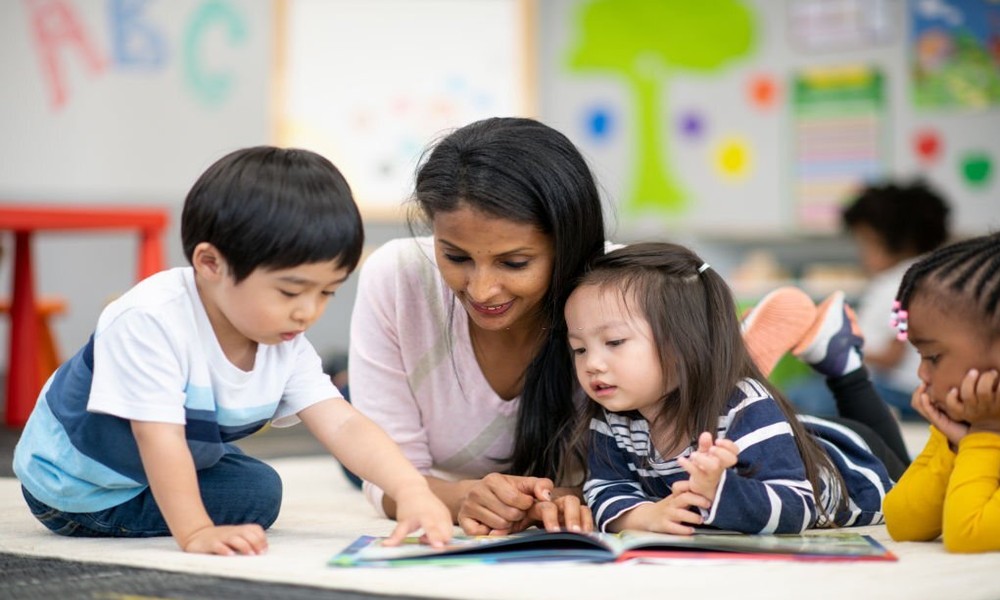
Learning a new language is easier for children than adults, and starting early gives them a big advantage. Programs like Spanish for Middle Schools show how students can pick up new languages quickly when introduced at the right age. Research proves that children who learn a second language early have stronger memory, problem-solving skills, and even the ability to understand other people’s feelings. These benefits last throughout life which is why Spanish immersion programs in elementary schools and sought after by parents and school principals alike.
The Critical Window for Language Learning
Experts call early childhood a “critical period” for learning languages. By the age of 8 to 12, children’s brains start losing the ability to hear and reproduce new sounds easily. During this early window, kids can learn to speak and pronounce a new language almost like a native speaker. Unlike adults, they do not need strict grammar rules or memorization—they learn naturally through play, songs, and everyday conversations.
Learning Beyond Words: Cognitive Benefits
Learning a new language helps children think better. Studies show bilingual kids perform better in memory tasks, problem-solving activities, and creative thinking exercises. Their brains also become better at focusing on important details and ignoring distractions, which improves attention and multitasking. These skills make learning in school easier and can boost performance in subjects like math, reading, and science.
How Bilingualism Shapes Social, Emotional, and Academic Growth
Developing Social Skills and Empathy
Learning another language gives children more than just academic skills—it helps them connect with people. Bilingual children often understand different points of view, intentions, and emotions better than their peers. This ability supports empathy and social flexibility, helping them thrive in diverse environments. Being able to speak multiple languages also builds confidence, as children can communicate in different communities and cultures with ease.
Academic Advantages Early and Later in Life
Children who start learning a second language early often show stronger reading, writing, and language understanding. They also tend to score higher on standardized tests like the SAT. As adults, bilingualism opens doors to careers in international business, tourism, diplomacy, and more. Being fluent in multiple languages becomes a lifelong advantage.
Hands-On Learning Makes Language Stick
Children learn best through hands-on exploration. Schools like Edquisitive Montessori Plus in San Antonio combine Montessori and Reggio Emilia methods to make language learning natural and fun. Children ages 3–6 learn Spanish through daily activities, core lessons in Spanish, music, science, yoga, and mindfulness exercises. Small class sizes allow teachers to provide personalized attention, ensuring every child can grow at their own pace.
Giving the Gift of Bilingualism
Starting early gives children a lifelong gift: the ability to communicate across cultures, think creatively, and understand the world in new ways. Programs like Spanish for Middle Schools and early Spanish immersion programs provide the perfect environment for children to develop these skills naturally. The earlier a child begins, the more fluent, confident, and capable they will become.
