
 The Sound of Intelligence: How AI Is Composing Music for Every Mood
  Apply with Confidence: A Clear Guide to Applying for Student Loans
  Simple Lighting Choices That Make Everyday Spaces Better
  Insider Tips for Unlocking Hidden Financial Aid Opportunities in CDL Training
  Ultimate guide to preparing for a Bain case interview
  Modern Student Records Management: How Schools Handle Digital Documents Today
  How to decide school choice when many options feel equally good
  Reinforcement Learning: How AI Agents Learn from Trial and Error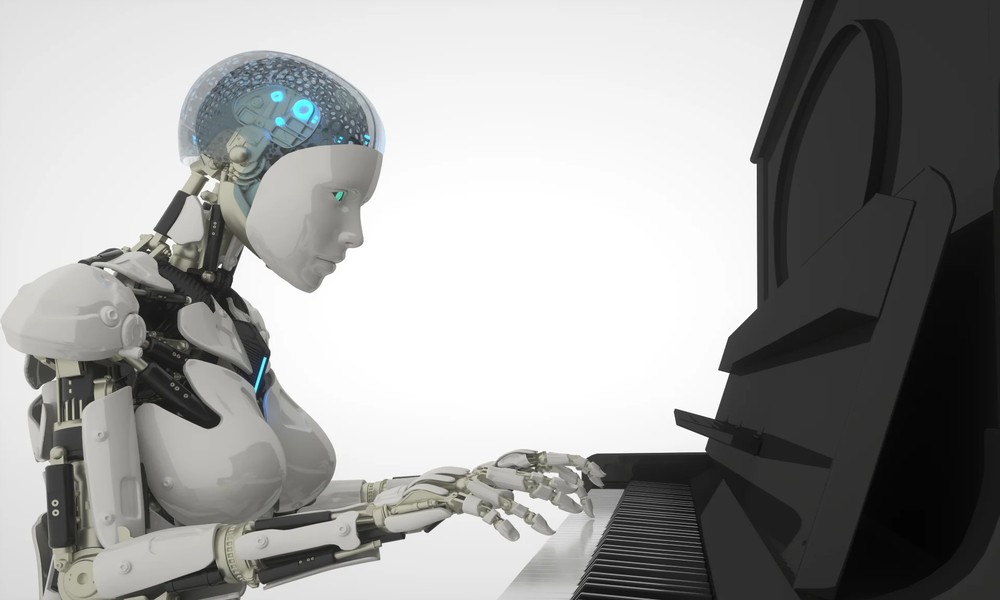
In the vibrant tech hub of Marathalli, where innovation is a daily buzz, a fascinating evolution occurs at the intersection of creativity and technology. Artificial Intelligence (AI) is no longer just a tool for automating repetitive tasks or powering smart assistants – it’s now composing music tailored to every mood, emotion, and occasion. This transformation reshapes the music industry and opens exciting opportunities for tech enthusiasts and creatives. If you’re intrigued by how machines are learning to create art, exploring an AI course in Bangalore could be your gateway to understanding this revolutionary phenomenon.
The Rise of AI in Music Composition
Traditionally, music composition was an art reserved for musicians and composers who poured their emotions and experiences into melodies and lyrics. However, AI-driven music composition uses complex algorithms, deep learning models, and neural networks to analyse vast amounts of existing music and generate original compositions. These AI systems learn patterns in rhythm, melody, harmony, and structure to create music that resonates emotionally with listeners.
Companies like OpenAI, with their Jukebox model and startups like AIVA and Amper Music have made significant strides in AI music creation. These platforms allow users to input parameters like genre, tempo, and mood, and the AI composes music that fits those settings – sometimes even mimicking the styles of famous artists. This technology is revolutionising how music is produced and democratising access, enabling anyone to create personalised soundtracks with minimal musical training.
How Does AI Understand Mood in Music?
One of the most fascinating aspects of AI music composition is its ability to tailor soundtracks for specific moods – relaxation, motivation, sadness, or joy. But how exactly does AI understand mood?
AI systems analyse musical features such as tempo, key, chord progressions, rhythm complexity, and instrumentation. For instance, a slow tempo in a minor key with soft instruments may evoke sadness or calm, while a fast tempo in a primary key with vibrant instruments often triggers excitement or happiness.
AI models learn the association between musical attributes and emotional responses by training on vast labelled datasets where music is tagged with emotional content. This allows them to generate compositions that intentionally evoke or complement particular moods.
Practical Applications: From Personal Playlists to Film Scores
The ability of AI to compose mood-specific music has widespread applications:
- Personalised Music Streaming: Platforms like Spotify and Apple Music are experimenting with AI to create playlists that dynamically adapt to listeners’ moods, activities, or weather conditions. Imagine waking up to a gentle, uplifting AI-generated melody designed to energise your morning routine in Marathalli’s bustling environment.
- Therapeutic and Wellness Uses: Music therapy benefits from AI’s customisation capabilities. AI-generated soundscapes can be used for meditation, stress relief, or sleep aids tailored to an individual’s emotional needs.
- Film and Game Scores: Instead of lengthy manual composition, filmmakers and game developers can harness AI to produce soundtracks that adapt to the plot or gameplay in real-time, enhancing immersive experiences.
- Advertising and Marketing: Brands increasingly seek custom AI-generated jingles and background scores that match their campaign’s tone and audience’s emotional triggers.
For tech enthusiasts and aspiring professionals in Marathalli, witnessing this blend of creativity and AI highlights the importance of technical expertise. An AI course in Bangalore can equip you with the knowledge to contribute to or innovate within this exciting field.
Behind the Scenes: Technologies Powering AI Music Composition
Several AI technologies enable these breakthroughs:
- Deep Learning and Neural Networks: Models such as Recurrent Neural Networks (RNNs) and Transformers analyse sequences of notes and musical patterns to predict what comes next in a composition.
- Generative Adversarial Networks (GANs): These consist of two neural networks competing against each other, improving the quality of AI-generated music over time.
- Natural Language Processing (NLP): For AI that generates lyrics alongside music, NLP helps craft meaningful and contextually relevant words.
- Reinforcement Learning: AI systems use feedback mechanisms to refine compositions based on user reactions or predefined emotional goals.
In Marathalli’s thriving startup ecosystem, many tech firms are experimenting with these AI techniques, integrating music generation into apps and digital platforms. Learning these technologies through an artificial intelligence course in Bangalore can position you at the forefront of such innovation.
Challenges and Ethical Considerations
While AI composing music for every mood is exciting, it also brings challenges:
- Creativity and Authenticity: Critics argue that AI lacks creativity and emotional depth compared to human composers. However, many see AI as a tool that augments human creativity rather than replacing it.
- Copyright and Ownership: When AI generates music, questions arise about who owns the rights – the developer, the user, or the AI itself.
- Job Displacement: As AI takes on composition roles, concerns exist about its impact on musicians and composers.
Addressing these challenges requires balanced discussions involving technologists, artists, legal experts, and policymakers-a discourse that is very much alive in tech hubs like Marathalli.
The Future Soundscape: AI and Human Collaboration
The future likely holds a harmonious blend of AI and human musicianship. AI will continue to handle repetitive or pattern-based composition tasks while human creators inject unique emotional nuances, storytelling, and cultural context. AI-powered tools will expand artistic possibilities and lower barriers to music creation.
For learners and professionals in Marathalli, this future demands skills in AI technologies and creative domains. This course can provide a robust foundation, from machine learning algorithms to practical AI applications in music and other fields.
Conclusion: Tune into the AI Revolution in Music
The sound of intelligence is no longer a distant sci-fi fantasy but a present-day reality reshaping how music is created, consumed, and experienced. In Marathalli, a hotbed for technological innovation, AI music composition symbolises the thrilling fusion of art and algorithms.
Whether you are a musician curious about AI’s creative potential, a tech professional aiming to develop AI-driven music applications, or a student aspiring to enter this interdisciplinary field, understanding AI’s role in music is essential. Joining an artificial intelligence course in Bangalore will equip you with the knowledge and skills to navigate and contribute to this new frontier.
As AI continues to learn, compose, and adapt, the soundtrack of our lives will increasingly reflect a collaboration between human emotion and machine intelligence – a symphony of the future tuned to every mood.
For more details visit us:
Name: ExcelR – Data Science, Generative AI, Artificial Intelligence Course in Bangalore
Address: Unit No. T-2 4th Floor, Raja Ikon Sy, No.89/1 Munnekolala, Village, Marathahalli – Sarjapur Outer Ring Rd, above Yes Bank, Marathahalli, Bengaluru, Karnataka 560037
Phone: 087929 28623
Email: enquiry@excelr.com